Posted by Nova Gas on | Comments Off on How a Southwest Syngas Plant Mastered Gas Analysis—With Unmatched Precision, Reliability, and Resilience in Extreme Heat
A leading syngas solutions provider in Nevada’s clean energy sector faced a critical challenge: how to reliably and continuously monitor complex syngas compositions in the region’s harsh desert climate. Their legacy analyser struggled with frequent downtime, high maintenance, and inconsistent readings—putting both production and compliance at risk.
The Solution:
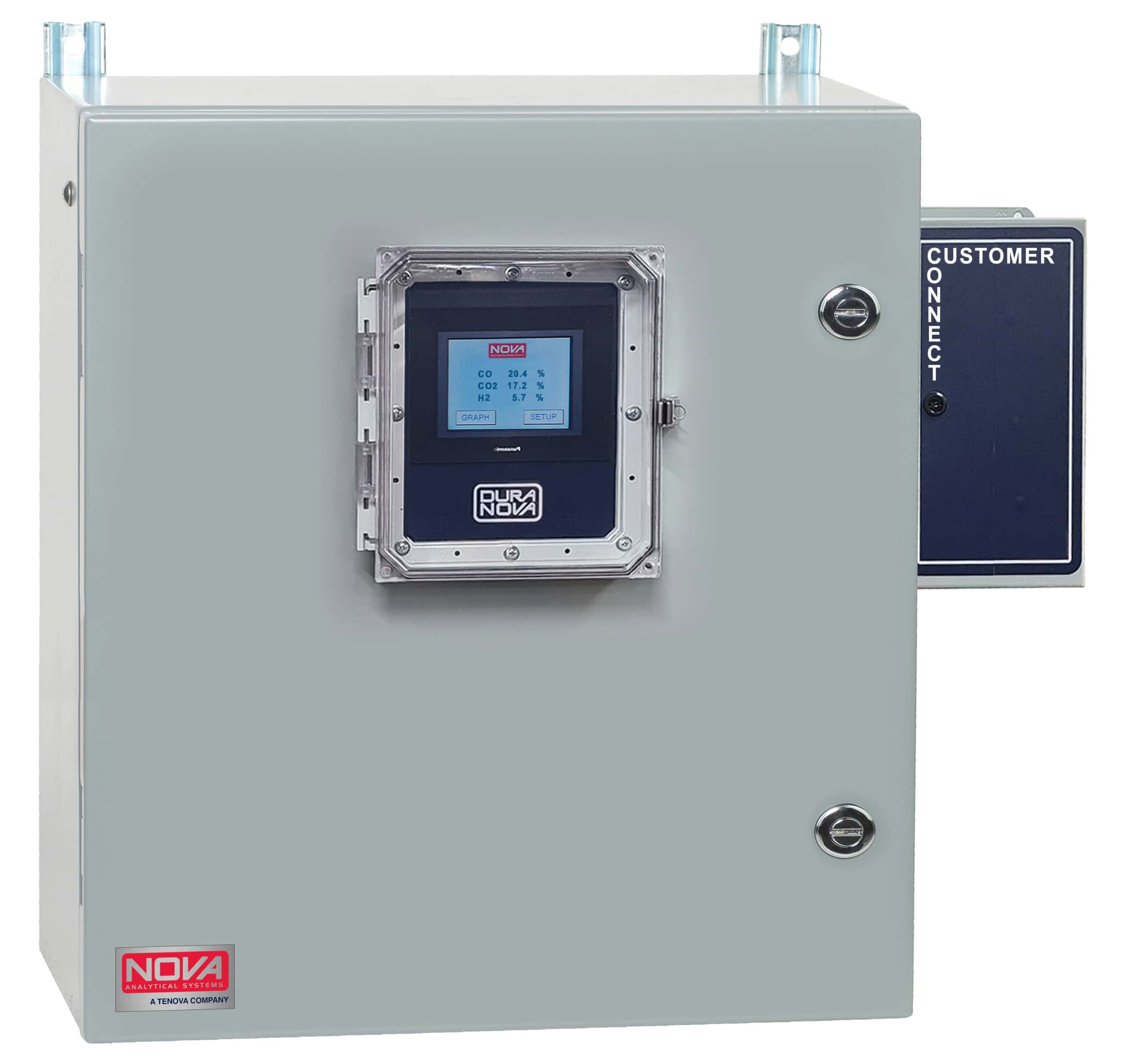
The plant partnered with Nova Analytical Systems to deploy the Nova Model 970 Heavy-Duty Flue Gas Analyzer. Purpose-built for rugged industrial environments, the Nova 970 delivered immediate improvements in accuracy, automation, and reliability.
Comprehensive Multi-Gas Analysis: The Nova 970 simultaneously measures hydrogen (up to 100%), oxygen, carbon dioxide, carbon monoxide, and methane—critical for syngas quality and process control.
Advanced Sensing Technology: The system utilises a thermal-conductivity detector for hydrogen (fully compensated for measured CO, CO₂, and CH₄), an electrochemical sensor for oxygen, and infrared detection for CO₂, CO, and CH4.
Automatic Moisture Removal: The moisture control system is equipped with a thermoelectric chiller and peristaltic pump to ensure a dry sample, enabling detector operation and reliable readings.
Climate-Resilient Cabinet: The NEMA 4 enclosure with built-in air conditioning is designed to withstand Nevada’s extreme desert temperatures. The Nevada site also required suitability for Class 1 Division 2 hazardous rated areas.
Smart Automation: Auto-calibration, remote access via VPN or Microsoft Teams, and built-in diagnostics for minimal maintenance.
User-Friendly Interface: A colour touchscreen HMI that shows gas readings and any alarm conditions.
Results:
Continuous, reliable gas monitoring—ensuring operational consistency and environmental compliance.
Reduced downtime and labour costs thanks to automated calibration and remote management.
Improved process optimisation with high-quality, real-time gas data.
System stability and performance even in the most extreme desert conditions.
Conclusion:
The Nova 970 has become an integral part of the plant’s process and safety strategy, providing confidence, compliance, and ongoing support from Nova Analytical Systems.
Interested in learning more?
Contact us to discover how the Nova 970 Series can transform your syngas monitoring—no matter how tough the environment.
Posted by Nova Gas on | Comments Off on Thermal Conductivity Analyzers
Thermal conductivity analyzers contain a sensing unit (transmitter), a control unit (receiver), and a power supply for analyzing a sample gas. These three components facilitate sensitive and reliable thermal conductivity analysis with quick turnaround times. This overview from Nova Analytical Systems will outline what gases thermal conductivity analyzers measure, how they work, and why they are beneficial for many industries and applications.
Gases Analyzed by Thermal Conductivity Analyzers
Thermal conductivity analyzers can be optimized to provide incredibly accurate analysis of hydrogen, hydrogen purity, or sulfur hexafluoride. In this section, we review how these different analyzers function and for what applications they are most often utilized.
Since it has the highest value of thermal conductivity amongst all gases, hydrogen is most commonly analyzed using thermal conductivity detection technology. Because it is not possible for another gas to have a higher value of thermal conductivity, this unique characteristic ensures a high rate of accuracy during analysis and makes determining whether hydrogen is present in a sample gas mixture a relatively simple task. When it comes to measuring hydrogen within a gas process gas mixture, however, thermal conductivity analyzers are most beneficial and efficient when combined with an electrochemical sensor or non-dispersive infrared (NDIR) analyzer to analyze the sample gas mixture’s other characteristics.
Analyzing a sample gas mixture for hydrogen is useful for many industries. Hydrogen gas analysis can be used in hydrogen fuel cell production, manufacturing equipment, calcining furnaces, syngas, and many other industrial applications where hydrogen is commonly used.
The purer a sample of hydrogen is, the better its thermal conductivity will be. Undiluted hydrogen is better at conducting heat than everyday air, making it essential for applications that require the removal of excess heat from an area. Even a small 1% change in purity can have an exponential effect on the efficiency of applications such as power generators.
The explosiveness of hydrogen when combined with air presents a major challenge for using it as a cooling medium. If exposed to an ignition source, pure hydrogen may explode if it has been contaminated by even a small amount of standard air. Without contamination, however, high-purity hydrogen will not explode even under direct contact with an open flame. Hydrogen purity analyzers ensure that the hydrogen used in power generators is in an appropriately undiluted state.
Operating Principle of Thermal Conductivity Sensors
The thermal conductivity sensors present in analyzers function by assessing the differences in thermal conductivities of a sample gas as compared to a reference gas. The analyzer possesses a reference chamber and a measuring chamber, each containing a thin platinum wire that facilitates analysis of the respective gases. As the thermal conductivity of the gases responds to temperature changes in the chamber, the concentrations of the gases react, allowing the analyzer to measure these changes and report them back as changes in electric resistance.
How Do Thermal Conductivity Sensors Work with Multi-Gas Analyzers?
Thermal conductivity analyzers often get combined with other types of analyzers to measure a sample more effectively. Because each gas in a sample contributes its own thermal conductivity value to the aggregate value of the sample, these gases (or the main gas being measured) must be isolated from the rest to ensure the most accurate reading possible. In most industries, gas samples will contain some variation of oxygen, carbon monoxide, carbon dioxide, methane, and hydrogen. By measuring the concentration of all gases in the sample including hydrogen, the error in the thermal conductivity measurement due to the presence of the other gases can be calculated and adjusted out of the hydrogen reading for optimal accuracy.
Thermal Conductivity Analyzers from Nova Analytical Systems
Thermal conductivity analyzers offer a means to analyze the thermal conductivity levels of a sample gas mixture quickly and accurately. At Nova Analytical Systems, we have more than 40 years of experience designing and manufacturing gas analysis systems, including thermal conductivity analyzers, for an assortment of industries. For more information on our available analyzers, please contact us or request a quote today.
Posted by Nova Gas on | Comments Off on Combustion Gas Analyzers
Combustion gas analyzers are indispensable tools for monitoring and optimizing combustion processes in various industrial and laboratory environments. The goal of combustion is to obtain energy from burning fuels as efficiently as possible while meeting environmental requirements regarding emissions. At Nova Analytical Systems, we design and deliver combustion gas analyzers, backed by decades of expertise and innovation, to meet the needs of diverse industries.
Benefits of Combustion Gas Analyzers
Combustion gas analyzers from Nova Analytical Systems offer a range of advantages that improve process efficiency, safety, and compliance to help companies reach their operational goals. Combustion gas analyzers provide real-time measurements of oxygen, carbon monoxide, carbon dioxide, and other gases such as nitrogen oxide, nitrogen dioxide, and sulfur dioxide. These measurements assist operators to optimize fuel-to-air ratios in boilers, furnaces, and engines. Maintenance teams in various industries can use the information from our analyzers to fine-tune combustion processes and reduce fuel consumption while maintaining optimal performance.
Some flue gases such as carbon dioxide, nitrogen dioxide, and sulfur dioxide may be subject to environmental regulations, such as set out by US EPA or other global emission standards. Combustion analyzers can monitor these gases and assist with pollutant reduction and reporting efforts.
Applications of Combustion Gas Analyzers
Nova’s combustion gas analyzers are used in various industries and applications where accurate and reliable measurements are critical. Key applications include:
Power Generation. Monitoring combustion efficiency and exhaust gases from boilers, turbines, and engines to optimize combustion processes.
Furnace Operations. Fine-tuning combustion processes in industrial furnaces to guarantee consistent heat and minimize fuel consumption.
Emissions Monitoring. Accurately detecting the levels of various hazardous gases to reduce the environmental impact of combustion and meet regulatory standards.
Manufacturing Processes. Analyzing combustion in continuous manufacturing equipment, like kilns, dryers, and ovens to help guide combustion control and fuel efficiency.
Research and Development. Providing accurate gas measurements for experimental combustion processes or new technology developments.
Nova’s Combustion Gas Analyzer Offerings & Capabilities
At Nova Analytical Systems, we offer a broad selection of advanced gas analyzers designed to meet the demanding requirements of industrial and laboratory applications. Nova’s combustion gas analysis products stand out for their durability, reliability, and user-focused features. Our key capabilities include:
Multi-Gas Measurement. Simultaneously measure various gases, including oxygen, carbon monoxide, and carbon dioxide to gather comprehensive data for optimizing combustion processes.
Continuous Monitoring. Real-time monitoring allows users to quickly identify and correct inefficiencies to prevent downtime and maximize productivity.
Durable Design. Our analyzers are built to withstand high temperatures and harsh industrial environments to maintain accuracy and performance for prolonged use.
Customizable Solutions. We can configure our products to meet specific industry needs.
User-Friendly Operation. Our gas analyzers feature intuitive interfaces and clear displays to make them easy to operate and integrate into existing systems.
As a substitute for fossil-derived natural gas, RNG meets the diverse needs of various applications and has many potential uses. The versatile energy source has the potential to reshape energy systems and advance global sustainability goals.
Why Choose Nova Analytical Systems?
With over 40 years of industry expertise and a commitment to quality and innovation, Nova Analytical Systems is a trusted leader in the industry. Our deep understanding of combustion gas analysis allows us to deliver advanced solutions that meet industry-specific requirements. Every analyzer undergoes rigorous testing to guarantee exceptional durability and accuracy, even in the most demanding environments. Our dedicated team provides ongoing technical support from consultation to maintenance. As a result, we can guarantee optimal performance and peace of mind for our customers.
Choose Nova Analytical Systems for Your Combustion Gas Analyzer Needs
Experience unmatched accuracy and reliability with Nova Analytical Systems’ combustion gas analyzers. Our integrated approach to design and manufacturing allows us to configure our products for each specific application while offering industrial durability and long-term dependability. Whether your goals are to optimize fuel efficiency, meet emissions regulations, or ensure workplace safety, our advanced solutions are designed to exceed customer expectations.
Trust Nova Analytical Systems to deliver the tools you need for success. Contact us today to learn how our expertise and innovative products can elevate your combustion processes.
Posted by Nova Gas on | Comments Off on The Essential Tool for Industrial Precision: O2 Analyzers
An oxygen (O2) analyzer draws in a gas sample, and measures the amount of oxygen in it. There are various sensor technologies available for measuring O2. NOVA generally favors the electrochemical O2 sensors. They are tolerant of less-than-perfect sample gases, are acceptably accurate for most applications, have good shelf & service lives, and are customer-replaceable when depleted. They are also less expensive than other technologies such as laser or paramagnetic detectors.
Learn more about the importance of precision O2 analyzers in various industries.
How Are O2 Analyzers Used in Industrial Applications?
Accurately monitoring oxygen levels is vital for operational efficiency and safety in a variety of industrial settings, including:
Mining operations. Wall-mounted oxygen deficiency analyzers are used in confined spaces like mines to continuously monitor oxygen levels for worker safety.
Before welding. Portable or handheld O2 analyzers are often used to verify oxygen levels in welding gases prior to a welding operation.
Combustion facilities. Oxygen analyzers monitor oxygen levels in boilers to improve combustion. This real-time data allows operators to fine-tune conditions and optimize operational efficiency.
Chemical storage and processing facilities. Monitoring oxygen levels in chemical storage and processing facilities prevents flammable conditions, maintains product quality, and facilitates chemical reactions.
Oil and gas pipelines. Even trace oxygen levels in gas transmission lines can indicate a leak in the infrastructure. If not repaired, the leak can result in more costly damage or halt production.
Cryogenic laboratories. O2 analyzers are also crucial to safety. Laboratories that depend on properly sealed pressurized gas repositories use O2 analyzers to detect leaks, which can quickly displace oxygen in confined spaces and bring them below safe thresholds. OSHA guidelines require breathing air in a workplace to be at least 19.5% oxygen.
Aerospace and electronics manufacturing. Aerospace and electronics manufacturers often use nitrogen purging to displace oxygen and rely on oxygen analyzers to ensure that these processes are done correctly.
Oxygen Analyzers at Nova Analytical Systems
Industrial settings require continuous oxygen monitoring for operational efficiency and safety. For over 40 years, Nova Analytical Systems has been a trusted designer and manufacturer of gas analysis equipment. In addition to oxygen analyzers, we offer sample conditioning equipment, portable gas analyzers, and more for established and emerging industries worldwide.
Nova Analytical Systems is committed to protecting sensitive work environments that depend on exact levels of oxygen content. To learn more about our advanced line of oxygen analyzers or other capabilities, contact us today.
Posted by Nova Gas on | Comments Off on What is Flue Gas?
Flue gas is another term for exhaust gas that is a byproduct of combustion. It is the result of burning natural gas, recovered natural gas, oil, coal, and other fuels in industrial equipment. Analysis of flue gas can significantly impact equipment performance, fuel consumption, and environmental emissions. This article will talk more about flue gas, the importance of monitoring it, and systems that can assist with this vital process.
Flue gas actually contains a mixture of gases, such as carbon monoxide (CO), carbon dioxide (CO2), water vapor, nitrogen oxides (NO & NO2), sulfur dioxide (SO2), other trace pollutants, and often some particulate matter. This mixture can escape through long pipes, chimneys, and ducts traditionally called ‘flues’, hence the term ‘flue gas’. The exact composition of flue gas will vary depending on the type of fuel used and the combustion conditions.
Importance of Monitoring Flue Gas
Flue gas analysis is critical for evaluating combustion conditions. Not only may it be required for compliance with environmental regulations, it also enables efficiency and safety, providing valuable insights into the following:
Air-to-fuel ratios. Achieving the optimal air-to-fuel mix is essential to maximizing energy output and reducing emissions & particulate matter.
Burner efficiency. Regular flue gas analysis helps regulate burner performance in boilers and furnaces, leading to lower fuel consumption and operating costs.
Pollutant levels. Monitoring concentrations of harmful gases like NOx and SO2 is essential to meeting environmental standards and reducing the risk of corrosion or damage to industrial equipment. Regarding emissions, some flue gas testing methods may not be approved by some regulatory agencies, and thus may require an annual Relative Accuracy Test Audit (RATA) to verify the accuracy of the combustion gas analysis.
Nova’s Capabilities
Nova Analytical Systems offers Continuous Emissions Monitoring Systems (CEMS) that employ gas sensors that may not be compliant with some environmental regulatory agencies. However, our flue gas monitoring equipment can still provide accurate and reliable flue gas data. The NOVA 7200 Flue Gas Analyzer System comes equipped with the following measurement technologies:
Oxygen (O2): Electrochemical sensor, standard range is 0-25.0%
Carbon monoxide (CO): Electrochemical sensor, standard range is 0-1,000 PPM.
Also available: infrared detector; available ranges: 0-2,000 PPM up to 0-10%
Carbon dioxide (CO2): Infrared detector, range 0-20.0%
Nitric oxide (NO): Electrochemical sensor, range 0-2,000 PPM
Nitrogen dioxide (NO2): Electrochemical sensor, range 0-800 PPM
Sulfur dioxide (SO2): Electrochemical sensor, range 0-2,000 PPM.
Also available: Infrared detector; available ranges: 0-2,000 PPM up to 0-10%
Stack temperature: Range 32 °F–1,800 °F (0°C–1,000 °C); by customer-supplied Type K thermocouple wire.
With options for weatherproofing and enhanced filtration, these systems can withstand extreme temperatures ranging from -22 °F to over 100 °F. High-volume pumps ensure rapid analysis times, with most detectors achieving 90% of readings within 20-30 seconds, depending on sample line lengths. These systems can also come with oxygen measurement, allowing the user to ‘normalize’ the other gas readings to a calculated equivalent O2 level.
Flue Gas Analyzers at Nova Analytical Systems
Understanding and controlling flue gas composition is key to optimizing performance, ensuring safety, and meeting environmental standards in industrial applications. Nova Analytical Systems offers advanced solutions tailored to the unique challenges of flue gas analysis. Our systems provide precise, reliable measurements that facilities can use to improve combustion efficiency, reduce emissions, and protect their equipment.
Ready to optimize flue gas levels at your site? Partner with Nova Analytical Systems to experience cleaner, safer, and more efficient operations. Contact us today to learn more about our offerings or request a quote.
Posted by Nova Gas on | Comments Off on What Role Does Hydrolysis Play in Biogas Production?
Hydrolysis plays an important part in several applications. The water treatment industry frequently uses this process to enhance biogas production in plants used to treat wastewater. Hydrolysis in biogas production ultimately offers numerous advantages that make it a popular option for many facilities.
The Process of Hydrolysis to Biogas Production
Anaerobic digestion plays a key role in the production of biogas. The initial step of anaerobic digestion (AD) is critical in breaking down large organic molecules that are not readily absorbable. During this phase, various microbes secrete different enzymes that simplify the complex forms of these molecules, increasing their absorbability.
To facilitate anaerobic digestion and increase its efficiency, it’s often best to couple this process with thermal hydrolysis. Doing so may offer benefits not seen with conventional digestion and will optimize sludge treatment by producing:
No odors
A pasteurized digestate to allow for safe reuse
30% to 50% more biogas
25% to 35% less dry solids
The types of organisms that are present in the biogas process during the hydrolysis of polysaccharides include Acetivibrio, Clostridium, and Bacteroides.
The Benefits of Hydrolysis in Biogas Production
Using hydrolysis in biogas production may provide several benefits, including:
Lower operating costs due to sludge reduction
Savings in biosolids end-use and disposal costs
Reduced digester-related investments for new installations
The ability to produce income due to:
Excess energy generated with more biogas
Increased capacity to process organic imports
The specific benefits achieved with hydrolysis will depend on the system and application. The goal is to improve the extent and rate of volatile solids destruction, enhance sludge rheology, and increase biogas production. Using the thermal hydrolysis process (THP) can improve the biodegradation of wastewater residuals, which will subsequently lead to higher biogas production, accelerated digester loading rates, and biosolid production that can be used for land fertilization (where permitted).
Solutions from Nova Analytical Systems
At Nova Analytical Systems, we offer several high-tech products that assist with biogas production. Our line of products includes our Nova 910 Series Continuous Landfill Gas Analyzers along with the 920 Series Continuous Biogas Analyzers. Both systems provide the reliable detectors and sensors needed to accurately and efficiently measure biogas production.
We understand the importance of creating a healthy planet through sustainable solutions and practices, whether it’s a single person planting a tree or a large company building renewable energy facilities. With more than 30 years of experience supplying our customers with accurate & durable gas analysis systems, Nova continues to develop technology that promotes sustainable energy while meeting our customers’ individual needs.
We use cookies to ensure that we give you the best experience on our website. If you continue to use this site we will assume that you are happy with it.